
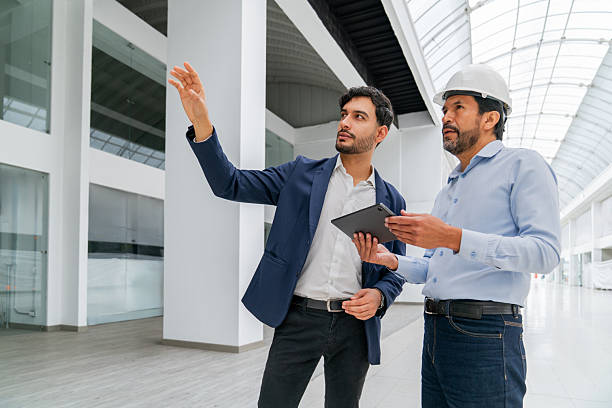

Keeping a business building safe, organised and functional requires regular attention to its structure, equipment and essential systems. Commercial property maintenance helps ensure that offices, retail spaces, warehouses and other commercial facilities remain in good working condition. From electrical inspections and plumbing repairs to cleaning, HVAC servicing and building safety checks, proper maintenance helps prevent unexpected problems and supports smooth daily operations. A well-maintained commercial property also provides a more comfortable environment for employees, customers, visitors and other occupants.
Why Is Commercial Property Maintenance Important?
Commercial buildings experience regular use, which can gradually affect their condition. Foot traffic, weather exposure, equipment operation and everyday activities can contribute to wear and tear. Without proper maintenance, small issues may develop into larger problems that affect building safety and functionality.
Regular maintenance helps property owners identify potential concerns early and arrange the necessary repairs. It also supports the long-term condition of building components and reduces the likelihood of unexpected disruptions.
Maintaining Building Safety
Safety should always be a priority in commercial properties. Damaged flooring, loose handrails, faulty lighting, water leaks and electrical issues can create risks for occupants. Routine inspections help identify these problems before they cause accidents or interfere with normal activities.
Supporting Daily Business Operations
A functional building allows employees and visitors to use facilities without unnecessary interruptions. Problems with heating, cooling, plumbing, lighting or access systems can affect everyday operations. Regular maintenance helps keep these essential features working properly.
Key Areas Covered by Commercial Property Maintenance
Maintaining a commercial building involves several different tasks. Each area requires attention to ensure the property remains safe, comfortable and suitable for its intended purpose.
See also: Understanding How Data Protection Service Supports Information Security
Electrical System Maintenance
Electrical systems support lighting, computers, machinery, security equipment and other essential building functions. Faulty wiring, damaged switches, overloaded circuits and malfunctioning electrical fixtures can create safety concerns.
Regular electrical inspections help identify visible damage and potential faults. Maintenance may include checking electrical panels, testing safety devices, replacing damaged components and arranging qualified electrical repairs where required.
Plumbing System Maintenance
Plumbing problems can affect the cleanliness, comfort and usability of commercial spaces. Leaking pipes, blocked drains, damaged taps and faulty toilets may lead to water damage or unpleasant conditions.
Routine plumbing maintenance helps identify leaks, inspect drainage systems and keep water fixtures functioning properly. Addressing minor plumbing concerns early can also prevent damage to walls, ceilings and flooring.
Heating, Ventilation and Air Conditioning
Heating, ventilation and air conditioning systems help maintain comfortable indoor temperatures and support air circulation. Poorly maintained systems may experience reduced performance, unusual noise, blocked filters or inconsistent cooling and heating.
Regular servicing includes inspecting system components, cleaning or replacing filters, checking ventilation and identifying performance issues. Proper HVAC maintenance contributes to a more comfortable indoor environment.
Roof and Exterior Maintenance
The roof and exterior surfaces protect commercial buildings from rain, wind, sunlight and other environmental conditions. Damaged roofing materials, blocked gutters, cracks and deteriorating exterior finishes can allow moisture to enter the property.
Scheduled inspections help identify signs of damage and determine whether repairs are necessary. Cleaning gutters, checking roof drainage and maintaining exterior surfaces can help protect the building from weather-related problems.
How Regular Maintenance Prevents Costly Repairs
One of the main benefits of planned building maintenance is the ability to identify issues before they become more serious. Small defects are often easier to manage than extensive damage affecting multiple building components.
Identifying Problems at an Early Stage
A minor roof leak, for example, may initially cause a small damp patch. If ignored, moisture can spread into ceilings, insulation and internal walls. Similarly, a small plumbing leak may eventually cause water damage or encourage mould growth.
Regular inspections make it easier to recognise these warning signs and arrange repairs at the appropriate time.
Reducing Unexpected Equipment Failures
Commercial buildings depend on various systems and equipment to operate efficiently. Electrical components, ventilation systems, lifts and plumbing fixtures may deteriorate through regular use.
Preventive maintenance helps identify worn or damaged components and allows property managers to plan servicing before equipment failures cause significant disruption.
Improving Maintenance Planning
A planned maintenance schedule helps property owners organise inspections, repairs and servicing activities. It also makes it easier to prioritise urgent issues and keep track of completed work.
Rather than waiting for something to break, property managers can take a more organised approach to maintaining the building.
Maintaining Clean and Healthy Indoor Environments
Cleanliness is another important part of keeping commercial properties functional. Dust, waste, moisture and poorly maintained facilities can affect the comfort of occupants and the overall condition of the building.
Regular Cleaning of Shared Areas
Entrances, corridors, staircases, kitchens, washrooms and reception areas experience frequent use. Regular cleaning helps maintain hygienic conditions and reduces the accumulation of dirt and debris.
Floor surfaces should also be checked for spills, cracks or loose materials that may create slipping or tripping hazards.
Managing Moisture and Ventilation
Poor ventilation and excessive moisture can contribute to condensation, unpleasant odours and mould growth. These problems may affect indoor comfort and building materials.
Maintenance activities should include checking ventilation systems, identifying water leaks and monitoring areas where moisture tends to accumulate.
Maintaining Waste Management Facilities
Commercial properties need suitable waste collection and disposal arrangements. Overflowing bins, poorly maintained waste storage areas and irregular collection can create hygiene concerns.
Keeping these facilities clean and organised supports a healthier environment for employees, customers and visitors.
The Role of Safety Inspections in Commercial Buildings
Safety inspections help property managers understand whether important building features remain suitable for everyday use. These checks should be carried out regularly, with the frequency determined by building type, usage and applicable safety requirements.
Fire Safety Equipment
Fire extinguishers, alarms, emergency lighting and fire exits are important parts of commercial building safety. These features should be inspected and maintained according to relevant regulations and manufacturer guidance.
Emergency exits must remain accessible, while fire safety equipment should be checked to ensure it is available and properly maintained.
Flooring, Stairs and Walkways
Damaged flooring, uneven surfaces, loose tiles and unstable handrails can increase the risk of accidents. Regular inspections help identify these problems and arrange repairs.
Walkways should remain clear of unnecessary obstacles, particularly in areas with frequent pedestrian movement.
Doors, Windows and Access Points
Doors and windows contribute to building security, insulation and weather protection. Damaged locks, broken glass, loose hinges and faulty closing mechanisms can affect their performance.
Routine checks help ensure that entrances, windows and access points remain secure and functional.
Creating an Effective Commercial Property Maintenance Schedule
A structured maintenance schedule helps ensure that important building tasks are not overlooked. It should consider the property’s size, age, purpose, occupancy and existing maintenance requirements.
Daily and Weekly Maintenance Tasks
Some activities require frequent attention because they directly affect building cleanliness and usability.
Common tasks include:
- Cleaning entrances, corridors and shared spaces.
- Checking washrooms and kitchen facilities.
- Removing waste and maintaining disposal areas.
- Inspecting frequently used walkways.
- Identifying visible leaks or damaged fixtures.
- Checking that emergency exits remain unobstructed.
Monthly and Seasonal Inspections
Other maintenance activities can be scheduled monthly, quarterly or according to seasonal requirements.
These may include:
- Inspecting plumbing and drainage systems.
- Checking HVAC filters and ventilation performance.
- Reviewing lighting and electrical fixtures.
- Inspecting roofing and gutter conditions.
- Checking exterior walls and building finishes.
- Reviewing fire safety equipment maintenance records.
Keeping Maintenance Records
Maintaining accurate records helps property managers monitor building conditions and track completed work. Records can include inspection dates, identified defects, repair details, servicing schedules and outstanding maintenance requirements.
This information also helps identify recurring problems and supports better planning for future maintenance activities.
How Professional Maintenance Supports Property Management
Managing a commercial building involves more than responding to repair requests. Property owners and managers must coordinate different maintenance activities while ensuring the building remains suitable for daily use.
Professional maintenance support can help organise inspections, identify repair requirements and manage different building services. It also allows maintenance tasks to be handled according to their urgency and technical requirements.
For example, electrical faults, structural concerns and major plumbing problems may require qualified specialists. Having the right professionals involved helps ensure that repairs are carried out appropriately and relevant safety requirements are considered.
Conclusion
Commercial property maintenance is essential for keeping business buildings safe, comfortable and functional. Regular inspections, preventive repairs, cleaning, equipment servicing and safety checks help protect building components and reduce the risk of unexpected problems. By following a structured maintenance schedule and addressing issues early, property owners can support smoother operations, maintain suitable working environments and preserve the overall condition of their commercial buildings.
