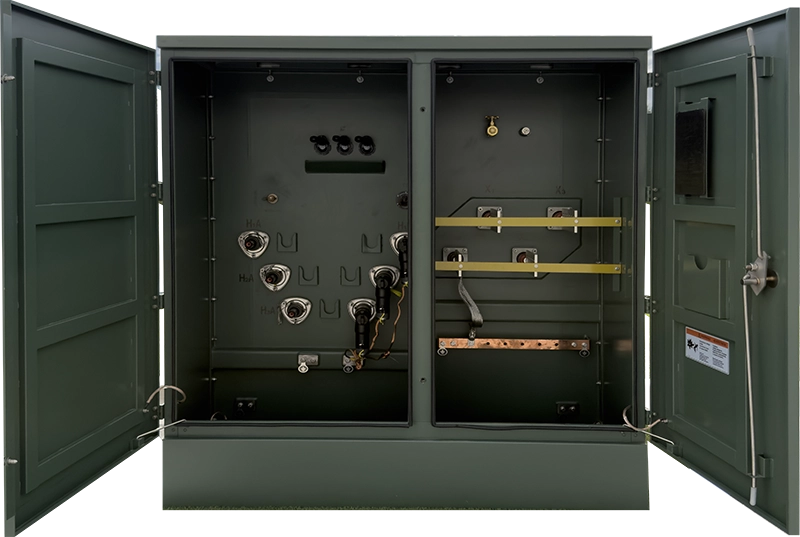

Electrical distribution systems play an essential role in delivering electricity safely and efficiently to commercial facilities, industrial operations and utility networks. As power demands increase, choosing suitable distribution equipment becomes important for maintaining stable voltage and supporting consistent electrical performance. A 3 phase pad mounted transformer is widely used in underground electrical distribution systems because it provides an enclosed, ground-level solution for transforming voltage and supplying power to different types of facilities. Its design, capacity and operational features make it a practical option for applications that require dependable electricity distribution.
Understanding a 3 Phase Pad Mounted Transformer
A three-phase pad-mounted transformer is an electrical distribution device installed on a concrete pad at ground level. It reduces medium-voltage electricity to a lower voltage suitable for commercial, industrial and other electrical applications.
Unlike pole-mounted transformers, which are installed overhead, pad-mounted units are typically used in underground distribution networks. Their enclosed construction helps protect internal electrical components from environmental exposure and limits public access to potentially hazardous equipment.
These transformers are available in different capacities to accommodate varying electrical loads. Their specifications depend on factors such as primary voltage, secondary voltage, frequency, cooling method and insulation fluid.
How a 3 Phase Pad Mounted Transformer Works
The main function of a transformer is to change voltage levels through electromagnetic induction. A three-phase pad-mounted transformer performs this process using interconnected windings and a magnetic core.
1. Receiving Electrical Power
The transformer receives electricity from a medium-voltage distribution network through its primary-side connections. The incoming voltage is determined by the electrical infrastructure supplying the installation.
2. Changing Voltage Levels
Inside the transformer, electrical energy passes through primary and secondary windings. Electromagnetic induction transfers energy between these windings while changing the voltage according to their turns ratio.
3. Distributing Electricity
After voltage transformation, electricity leaves through the secondary-side connections and enters the facility’s distribution system. It can then supply equipment, machinery, lighting, motors and other electrical loads, provided the transformer is correctly specified.
Key Features That Support Reliable Power Distribution
Several design and operational characteristics contribute to the usefulness of pad-mounted three-phase transformers.
Ground-Level Enclosed Construction
Pad-mounted transformers feature an enclosed cabinet installed on a prepared concrete foundation. This arrangement removes the need for overhead transformer mounting and supports underground electrical distribution layouts.
The enclosure also helps protect electrical components against environmental conditions and restricts unauthorised access. Proper installation and routine inspection remain important for maintaining safe operation.
Three-Phase Electrical Supply
Three-phase power is commonly used in commercial and industrial environments because it supports equipment that requires substantial electrical capacity.
Compared with single-phase systems, three-phase distribution can deliver power more efficiently for many larger electrical loads. It is particularly suitable for applications involving industrial motors, manufacturing equipment, pumps and commercial building systems.
Different Capacity Options
Electrical requirements vary considerably between facilities. A small commercial installation may have different power demands from a large manufacturing plant or utility distribution project.
Three-phase pad-mounted transformers are available in multiple kVA ratings. Selecting an appropriate capacity helps accommodate existing electrical demand while considering potential future expansion.
Important Factors That Influence Transformer Performance
Reliable power distribution depends on selecting a transformer that matches the electrical requirements of its intended application.
Transformer Capacity and Load Requirements
Capacity is one of the most important considerations when selecting distribution equipment. It determines the apparent power the transformer is designed to handle under specified operating conditions.
Before choosing a transformer, engineers should evaluate:
- Total connected electrical load.
- Expected maximum demand.
- Starting requirements of large motors.
- Load diversity and operating schedules.
- Potential future increases in electricity consumption.
An undersized transformer may experience excessive loading and overheating. An unnecessarily oversized unit may increase initial equipment costs and operate less efficiently under certain load conditions.
Primary and Secondary Voltage
Voltage compatibility is essential for safe and effective electrical distribution.
The primary voltage must match the incoming distribution supply, while the secondary voltage must meet the requirements of the connected electrical system.
Engineers should also confirm the transformer winding configuration, phase arrangement, grounding requirements and available connection options before installation.
Cooling and Insulation Systems
Transformer cooling systems help control the heat generated during operation. Oil-immersed distribution transformers commonly use cooling arrangements designed to transfer heat away from internal components.
Two cooling classifications include:
- ONAN: Oil Natural Air Natural, where oil circulates naturally inside the transformer and heat transfers to the surrounding air through natural convection.
- KNAN: Liquid Natural Air Natural, referring to natural circulation of a suitable insulating liquid and natural air cooling.
The insulating fluid also plays an important role in electrical insulation and heat transfer. Common options include mineral oil and natural ester fluids such as FR3. The appropriate choice depends on equipment design, environmental considerations and project requirements.
Applications Across Different Industries
Three-phase pad-mounted transformers support various applications where reliable electrical distribution is necessary.
Commercial Buildings
Shopping centres, office complexes, hospitals and educational facilities require dependable electrical supplies for lighting, heating, cooling, lifts and other building systems.
Pad-mounted transformers can form part of underground distribution arrangements that deliver electricity to these properties.
Industrial Facilities
Manufacturing plants and processing facilities often operate machinery, motors, compressors and production equipment that require three-phase electricity.
A correctly selected transformer helps provide the voltage and capacity needed to support these operations.
Solar Power Installations
Solar energy projects require electrical equipment to connect generation systems with distribution infrastructure.
Transformers can support voltage conversion and electrical integration, depending on the system design and connection requirements.
Electric Vehicle Charging Infrastructure
EV charging installations can create substantial electrical demand, particularly where multiple charging units operate simultaneously.
Three-phase distribution transformers can support the electrical infrastructure required for commercial charging facilities when their ratings and specifications match the project’s requirements.
Utility Distribution Networks
Utility providers use distribution transformers to reduce electricity voltage for delivery to consumers. Pad-mounted units are particularly useful in underground distribution networks serving residential, commercial and mixed-use developments.
Maintenance Practices for Consistent Performance
Regular maintenance helps identify developing problems and supports the long-term reliability of electrical distribution equipment.
Inspect the Transformer Enclosure
The external cabinet should be checked for corrosion, physical damage, water intrusion and signs of deterioration. Ventilation and access areas should also remain clear according to manufacturer requirements.
Monitor Temperature and Loading
Operating temperature and electrical loading should be monitored to identify unusual conditions. Persistent overloading or abnormal temperature increases may indicate an underlying problem requiring professional investigation.
Check Insulating Fluid Condition
For oil-immersed transformers, periodic fluid testing can help assess insulation condition and identify potential contamination or degradation.
Examine Electrical Connections
Qualified personnel should inspect electrical connections, bushings, grounding arrangements and protective devices according to an appropriate maintenance schedule.
All inspection and maintenance activities must follow electrical safety procedures and applicable regulations.
Common Challenges That Can Affect Power Distribution
Even well-designed transformer installations can experience operational challenges if equipment is incorrectly selected, installed or maintained.
Common issues include:
- Overloading: Excessive electrical demand can increase operating temperatures and accelerate insulation deterioration.
- Incorrect voltage selection: Voltage incompatibility can affect connected equipment and electrical system performance.
- Poor installation conditions: Inadequate foundations, drainage or required clearances can create operational and safety concerns.
- Insulation deterioration: Ageing, contamination and excessive heat can reduce insulating effectiveness.
- Inadequate maintenance: Undetected faults may develop into more serious equipment problems.
Addressing these factors through appropriate engineering, installation and maintenance practices helps support consistent electrical distribution.
Conclusion
A three-phase pad-mounted transformer is an important component of modern underground electrical distribution systems. Its enclosed ground-level construction, voltage transformation capabilities and availability in different capacities make it suitable for commercial buildings, industrial facilities, solar projects, EV charging infrastructure and utility networks.
Choosing the right equipment requires careful consideration of transformer capacity, voltage compatibility, cooling arrangements, insulation fluids and expected electrical demand. Regular inspections and professional maintenance further help support safe and dependable operation.