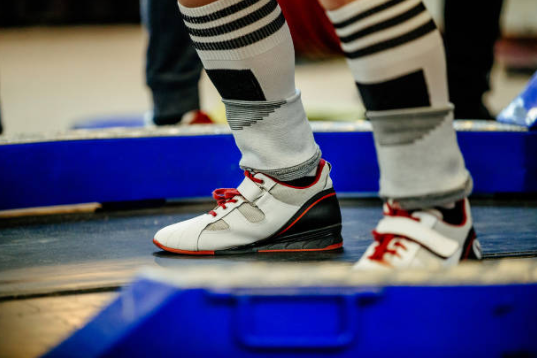

Squats are one of the most effective exercises for building lower-body strength, improving muscle development, and enhancing overall fitness. However, maintaining proper form and balance during squats can become challenging, especially when lifting heavier weights. Footwear plays an important role in supporting body positioning, stability, and movement throughout the exercise. Weightlifting shoes can play an important role in improving stability, balance, and overall lifting performance. Designed specifically for strength training, these shoes feature a firm sole, an elevated heel, and a secure fit that help lifters maintain a stable position during squats. Understanding how the right footwear affects squat performance can help beginners and experienced lifters make better training decisions.
What Are Weightlifting Shoes?
Weightlifting shoes are specialised athletic shoes designed to support lifting exercises, including squats, overhead presses, and Olympic weightlifting movements. Unlike regular running or training shoes, they typically feature a hard, non-compressible sole that provides a stable foundation when lifting heavy loads.
Most weightlifting shoes include an elevated heel, which changes the angle of the foot and ankle during squatting movements. This design can make it easier for some lifters to achieve greater ankle flexion while keeping their heels firmly on the ground.
See also: Best Professional Chef Aprons for Men: A Complete Guide
Key Features of Weightlifting Shoes
Several design elements make these shoes suitable for strength training:
- Elevated heel: Helps accommodate ankle mobility limitations and supports a more upright torso position.
- Firm sole: Provides a stable surface that does not compress easily under heavy loads.
- Secure straps: Help hold the foot in place and reduce unwanted movement inside the shoe.
- Wide and supportive base: Provides a solid platform for distributing pressure across the feet.
- Durable construction: Supports repeated training sessions and regular exposure to heavy lifting.
These features work together to create a more controlled lifting environment.
How Do Weightlifting Shoes Improve Squat Performance?
Squat performance depends on several factors, including mobility, strength, coordination, balance, and technique. Appropriate footwear can support these elements by providing a consistent foundation.
1. Improve Ankle Mobility During Squats
Ankle mobility is important for achieving proper squat depth while keeping the heels on the floor. Limited ankle dorsiflexion can make it difficult to move the knees forward naturally during the downward phase of a squat.
The elevated heel in weightlifting shoes reduces the amount of ankle dorsiflexion required to reach a particular squat depth. This can help lifters maintain better positioning without excessively leaning their upper bodies forward.
For individuals with limited ankle mobility, this footwear design may make deeper squats more comfortable. However, it does not permanently improve ankle flexibility or replace mobility exercises.
2. Provide Better Stability Under Heavy Loads
Stability is essential when performing squats, particularly when using barbells or other heavy resistance equipment. Soft running shoes may compress under pressure, creating an unstable surface during lifting.
Weightlifting shoes generally feature firm soles that minimise compression. This allows lifters to maintain a more consistent connection with the ground.
A stable base can help improve balance during both the lowering and lifting phases of a squat. It also allows lifters to concentrate more effectively on their technique rather than adjusting their feet to compensate for unstable footwear.
3. Support a More Upright Torso Position
Maintaining an appropriate torso position is important for performing controlled squats. Excessive forward leaning may increase the demands placed on the lower back and make it harder to maintain consistent technique.
An elevated heel can help some lifters keep their torso more upright by allowing the knees to travel further forward during the squat.
This positioning may be particularly helpful for individuals with longer femurs or limited ankle mobility. However, the ideal torso angle depends on individual body proportions, squat variation, and training technique.
4. Improve Weight Distribution Across the Feet
Proper weight distribution helps maintain balance and control during squatting movements. Lifters generally need to keep pressure distributed across the foot rather than allowing their weight to shift excessively towards the toes or heels.
The firm, supportive construction of weightlifting shoes provides a consistent platform for transferring force into the ground.
This can make it easier to maintain foot contact and control throughout the movement. Proper weight distribution also supports more consistent squat mechanics, particularly when increasing resistance.
5. Enhance Confidence During Heavy Squats
Confidence is an important part of strength training. When lifters feel stable and supported, they may find it easier to concentrate on movement quality and controlled execution.
A secure shoe fit, firm sole, and supportive heel can help reduce unnecessary foot movement during heavy squats.
Although footwear alone cannot guarantee better performance, having equipment that supports proper technique can contribute to a more confident and consistent training experience.
Weightlifting Shoes vs. Regular Gym Shoes for Squats
Not all athletic footwear is designed for the same activities. Running shoes, general training shoes, and weightlifting shoes have different construction features that influence their suitability for squats.
| Feature | Weightlifting Shoes | Regular Gym Shoes |
| Sole construction | Firm and non-compressible | May include softer cushioning |
| Heel design | Usually elevated | Generally flat or moderately elevated |
| Stability | Designed for controlled lifting | Depends on the shoe type |
| Squat support | Supports lifting mechanics | Varies by construction |
| Foot positioning | Secure and supportive | May allow more foot movement |
| Primary purpose | Strength and weightlifting exercises | General fitness and training |
For heavy squats, footwear with a firm and stable sole is generally preferable to highly cushioned running shoes. However, flat, stable training shoes can also be suitable depending on individual mobility, lifting style, and comfort.
Which Types of Squats Benefit from Weightlifting Shoes?
Different squat variations place different demands on the body. The elevated heel and stable construction may be more beneficial for certain movements than others.
1. Back Squats
Back squats involve placing a barbell across the upper back while lowering the hips towards the floor. Weightlifting shoes can support ankle positioning, balance, and torso control during this movement.
They may be particularly useful for lifters who struggle to maintain squat depth without lifting their heels.
2. Front Squats
Front squats require holding the barbell in front of the shoulders. This position generally demands an upright torso and sufficient ankle mobility.
The elevated heel can help some lifters achieve a comfortable squat depth while maintaining the required upper-body position.
3. Overhead Squats
Overhead squats involve holding a weight above the head while lowering into a deep squat. This exercise requires considerable mobility, coordination, and stability.
A firm sole and elevated heel may help support balance and positioning, although shoulder and hip mobility remain essential for performing the movement correctly.
4. Goblet Squats
Goblet squats involve holding a dumbbell or kettlebell close to the chest. Weightlifting shoes may help individuals maintain balance and reach a comfortable depth, especially when ankle mobility is limited.
How to Choose the Right Weightlifting Shoes for Squats
Selecting appropriate footwear is important for comfort, stability, and training performance. Not every shoe will suit every lifter because foot shape, mobility, lifting experience, and exercise preferences vary.
Consider the following factors before choosing a pair:
- Heel height: Select a heel height that supports your natural squat mechanics and mobility requirements.
- Sole firmness: Look for a firm sole that provides a stable lifting platform without excessive cushioning.
- Foot fit: Ensure the shoes fit securely without creating uncomfortable pressure around the toes or sides.
- Foot support: Choose a design that holds your feet comfortably during heavy movements.
- Strap and fastening system: Secure fastening helps prevent unwanted foot movement inside the shoe.
- Training requirements: Consider whether you primarily perform back squats, front squats, Olympic lifts, or general strength exercises.
Trying different options and evaluating comfort during controlled movements can help identify suitable footwear.
Common Mistakes to Avoid When Using Weightlifting Shoes
Although specialised footwear can support squat performance, incorrect use may affect comfort and movement quality.
Some common mistakes include:
- Choosing an unsuitable heel height: An excessively high heel may not match your mobility or lifting requirements.
- Ignoring proper squat technique: Shoes cannot correct poor movement patterns or replace strength training fundamentals.
- Wearing loose-fitting footwear: Poor fit can reduce stability and create unnecessary foot movement.
- Expecting instant strength improvements: Weightlifting shoes support positioning but do not automatically increase muscle strength.
- Ignoring mobility training: An elevated heel can accommodate limited ankle mobility, but it does not replace exercises that improve flexibility and joint control.
- Using lifting shoes for every activity: Their firm construction may not provide the cushioning needed for running or other high-impact exercises.
Understanding these mistakes helps lifters use their footwear more effectively and maintain a balanced training routine.
Conclusion
Weightlifting shoes can play a valuable role in improving squat performance and stability by providing a firm foundation, supporting ankle positioning, and helping maintain consistent movement mechanics. Their elevated heels may make it easier for certain lifters to achieve greater squat depth and maintain a more upright torso position. Additionally, their secure fit and non-compressible soles can improve balance and confidence during heavy lifting.
However, footwear is only one part of effective strength training. Proper squat technique, mobility, progressive overload, and consistent practice remain essential for long-term progress. Choosing suitable shoes based on individual needs can help create a more stable and comfortable lifting experience while supporting better squat performance.